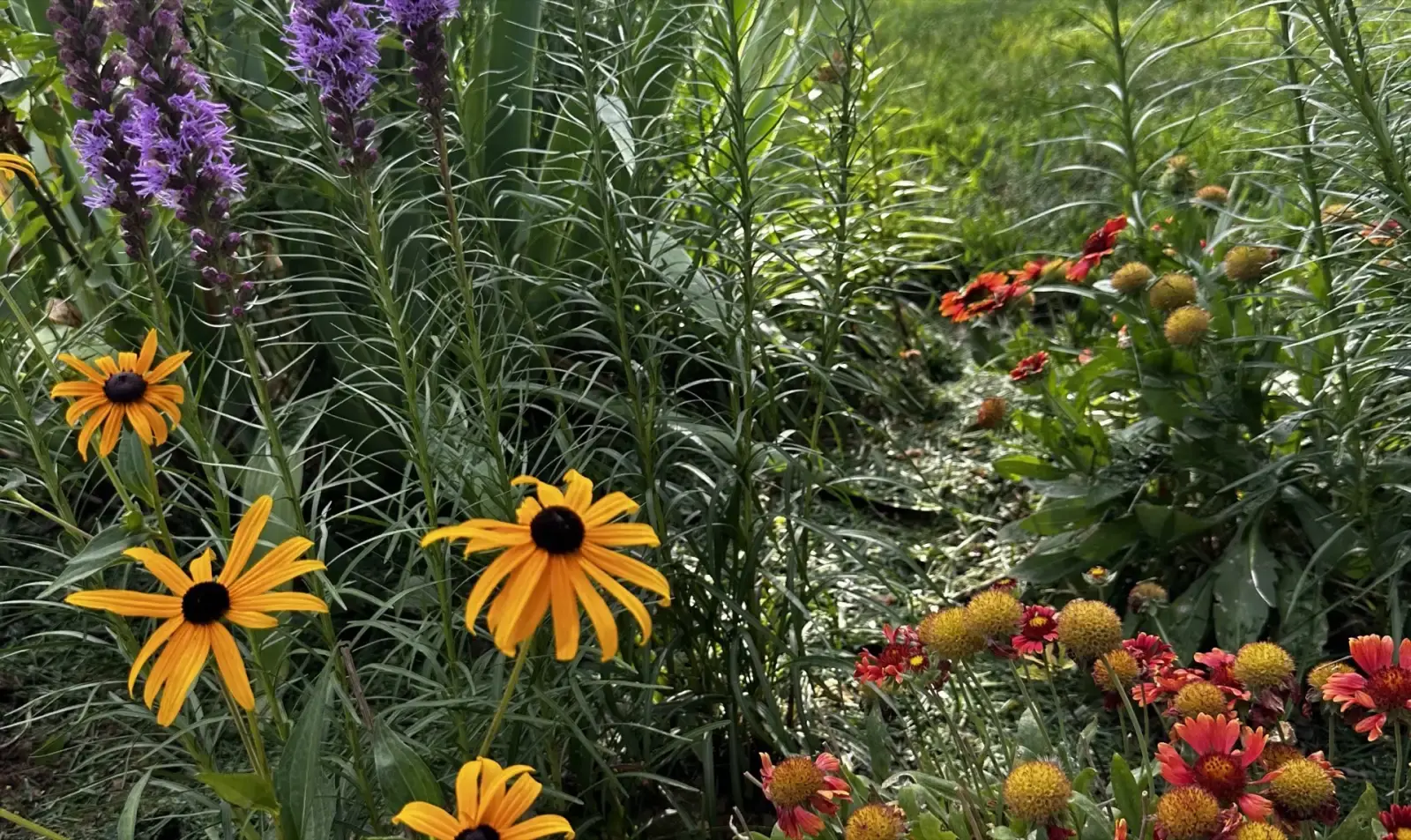
Green the Strip
People go hungry while we water grass. Let's change that, one hell strip at a time.
Explore the Map →hell strip
/ˈhɛl strɪp/ · noun
The narrow strip of land between the sidewalk and the road, typically planted with grass and maintained by the adjacent property owner. Also known as a tree lawn, parkway, devil strip, verge, or planting strip.
You Already Know This Strip
It's that patch of grass between the sidewalk and the road. You mow it every week. You water it when it's brown. Nobody thanks you. It grows nothing useful.
Meanwhile, 1 in 7 people in Greene CountyGreene County food insecurity rate: 15.3% (approx. 1 in 6.5). Source: Feeding America, Map the Meal Gap 2022. Click to view the data. experience food insecurity. Pollinators are disappearing. And you're out there pushing a mower over a strip of land that could be doing something real.
What if that strip could feed your neighbor instead?
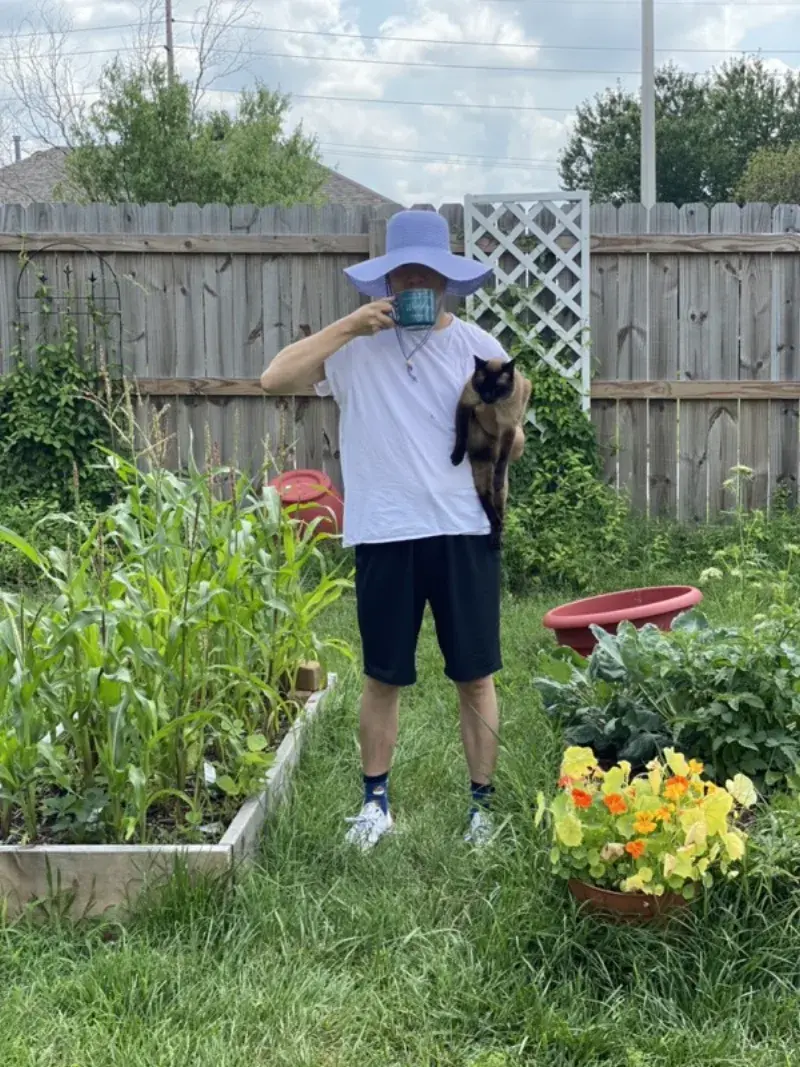
It Starts With One Person
You don't need permission. You don't need a committee. You just need to point at a strip of grass and say: “This could be better.”
Green the Strip makes it easy to add a hell strip, show your neighbors what's possible, and build momentum together. When enough people care about the same strip, we make it super easy to reach out to the Master Gardeners of Greene County — for free.
Find a Strip Near You →How It Works
Three steps from grass to garden. No red tape, no fees, no waiting for city hall.
Add a Garden
Open the satellite map, find your hell strip, draw the boundary, and snap a photo. Takes 2 minutes.
Rally Your Neighbors
Share the link. When 3 neighbors express interest in the same strip, you're ready for the next step.
Get Expert Help — Free
We make it easy to reach out to the Master Gardeners of Greene County for free help with planning, planting, and growing.
Why Hell Strips?
Springfield has hundreds of miles of hell strips — narrow bands of publicly visible land that nobody uses for anything except growing grass.
These strips get full sun, have road access for watering, and are visible to the whole neighborhood. They're perfect for community food gardens, pollinator habitats, and native plant installations.
And here's something most people don't think about: native plants absorb stormwater. Turf grass has shallow roots that barely slow rainwater down. Native plants send roots 3–10 feet deep, acting like sponges that reduce street flooding, filter runoff before it hits storm drains, and prevent erosion. Every hell strip garden is a tiny piece of flood infrastructure.
The only thing missing? A way to coordinate. That's what Green the Strip does.
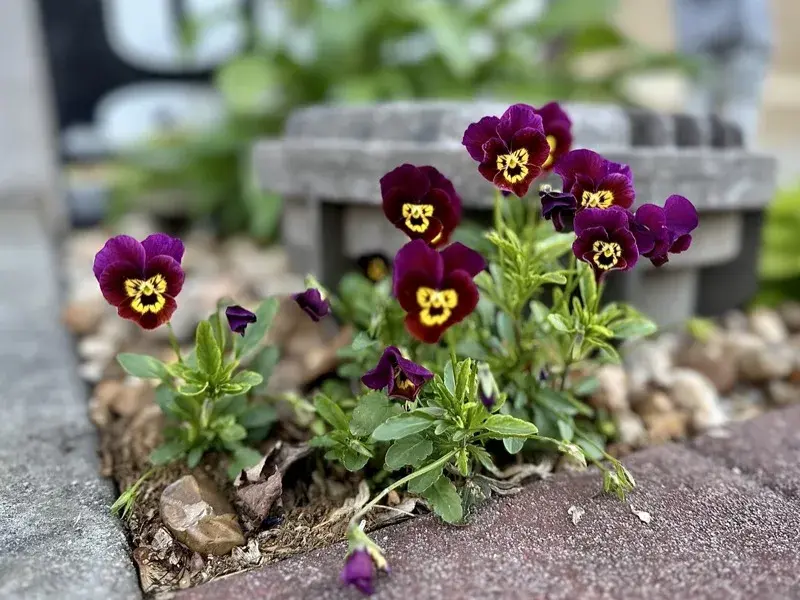
Three Ways to Green Your Strip
Pick what matters to you — or let your neighbors decide together.
Food Garden
Herbs, lettuces, tomatoes, peppers. Feed your block from a strip of land nobody was using.
See the plan →Pollinator Garden
Butterfly milkweed, coneflowers, bee balm. Create habitat corridors for pollinators across the neighborhood.
See the plan →Native Plants
Low-maintenance Ozarks natives that belong here. Drought-tolerant, beautiful, and zero mowing forever.
See the plan →Not just hell strips! Already have a community garden, a front-yard veggie patch, or a church garden that could use more hands? Add it to the map and let your neighbors find it.
Built for Springfield
Green the Strip knows Springfield's rules. We've built in the city ordinances, the sight triangle requirements, the road-type safety guidelines, and direct contact info for the Master Gardeners of Greene County. Everything you need, in one place.
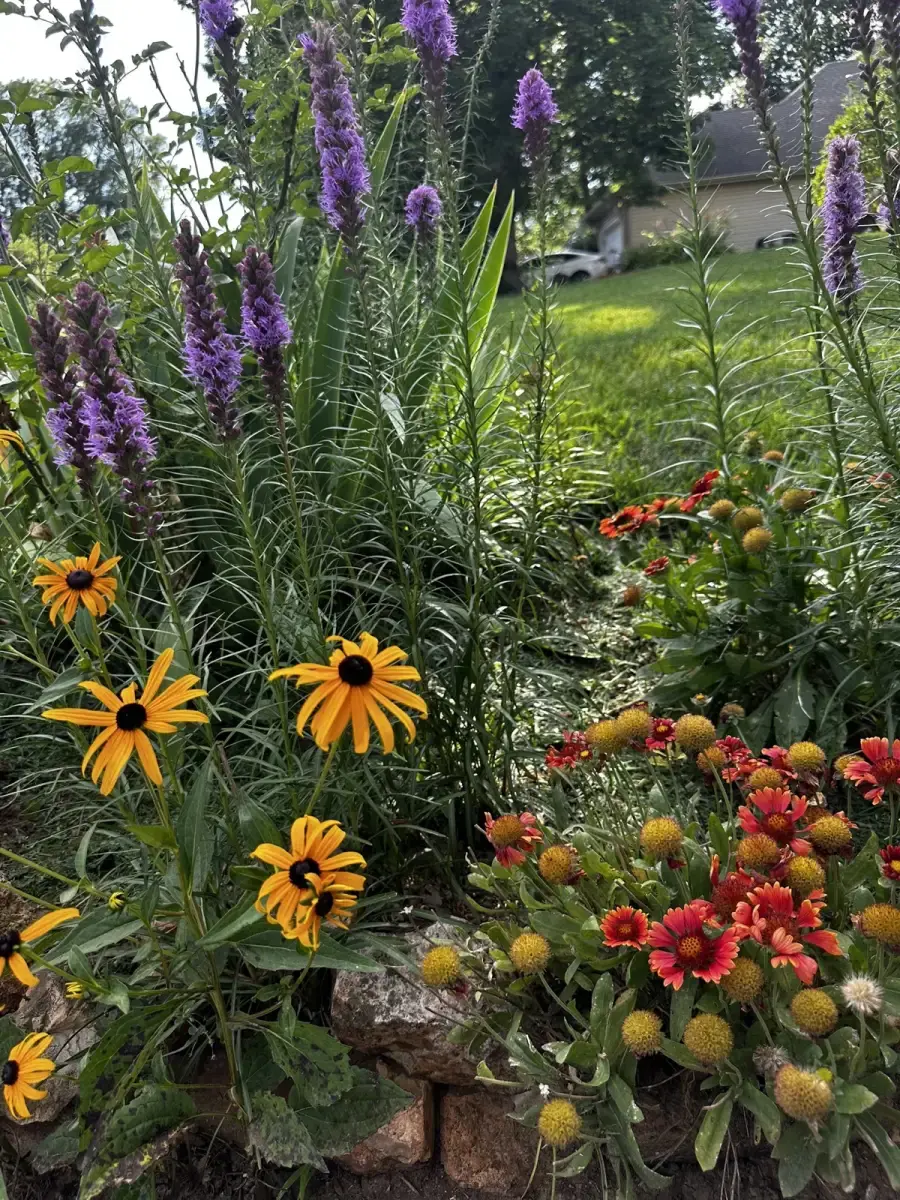
Learn Before You Plant
We've written the guides so you don't have to guess. Springfield rules, native plant picks, food safety, and how to get expert help.
Ready to Start?
Open the map, find a hell strip, and claim it. Your neighbors are waiting.
Explore the Map →